



The manufacturing process of baby walker
2024-12-25


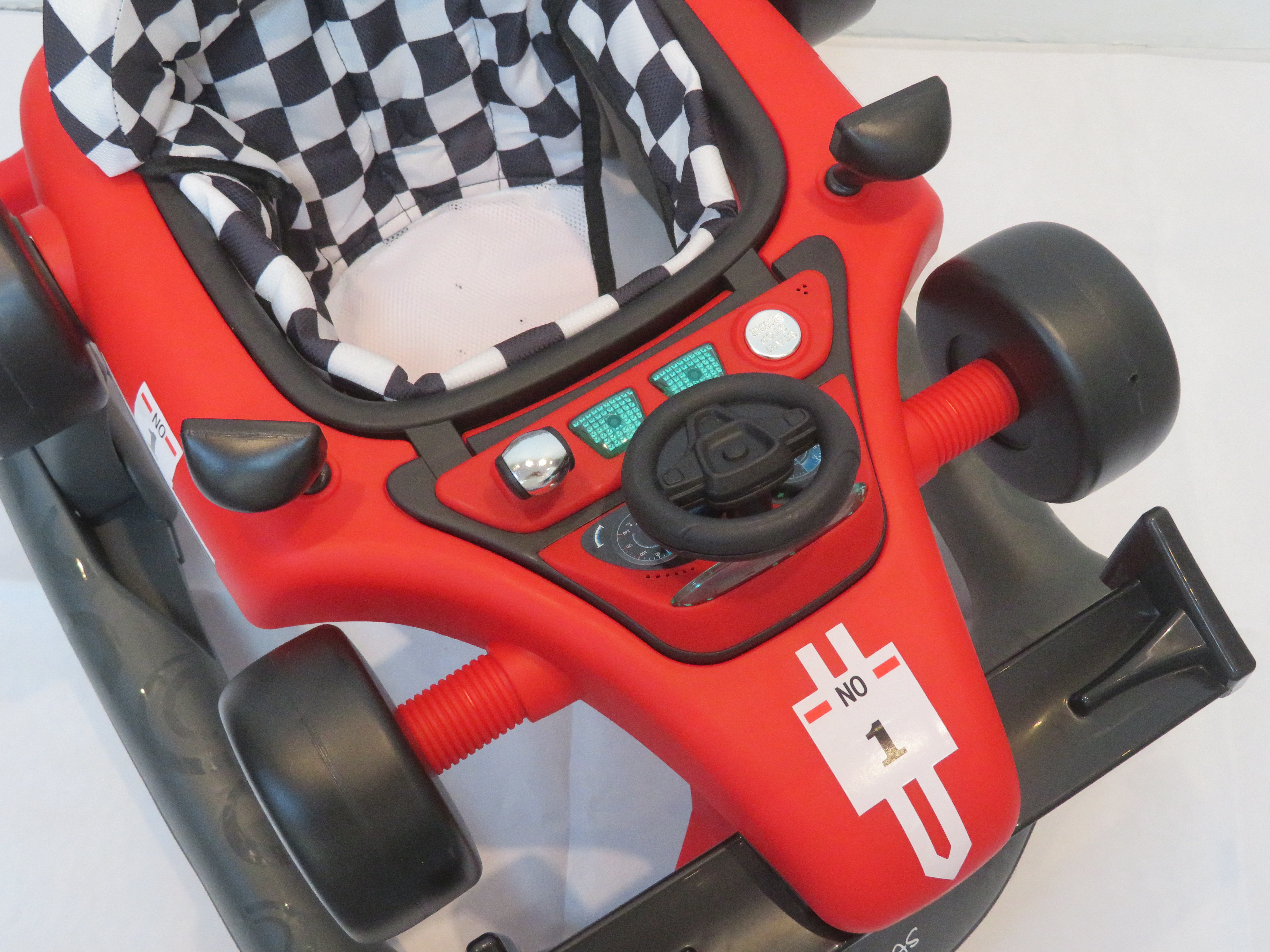
The Manufacturing Process of Baby Walker
Baby walkers are popular mobility aids designed to help infants learn to walk while providing them with a safe and enjoyable experience. The manufacturing process of baby walkers involves several stages, from initial design and material selection to assembly and quality control. In this article, we will explore the various steps involved in the production of baby walkers, highlighting the importance of safety, functionality, and aesthetics in their design.
The first stage in the manufacturing process of baby walkers is the design phase. Designers and engineers collaborate to create a product that meets safety standards and consumer expectations. During this phase, various factors are considered, including the walker’s size, weight, and features. The design must accommodate different age groups and ensure that the walker is adjustable to suit the growth of the child. Safety is a primary concern, so the design process incorporates features such as a stable base, secure seating, and safety straps.
Once the design is finalized, the next step is material selection. Baby walkers are typically made from a combination of plastic, metal, and fabric. The materials must be durable, lightweight, and easy to clean. For the frame, manufacturers often choose high-quality metal or reinforced plastic to ensure stability and longevity. The seat and fabric components are selected for comfort and ease of maintenance, often utilizing materials that are machine washable and free of harmful chemicals.
After the materials have been selected, the manufacturing process moves to the production stage. This stage involves several sub-processes, including molding, cutting, and assembly. For plastic components, injection molding is a common technique used to create the desired shapes and sizes. Metal parts may be cut and welded together to form the walker’s frame.
The assembly process is where all the individual components come together. Workers or automated systems carefully fit the plastic and metal parts together, ensuring that each piece is securely attached. The seat is then installed, along with any additional features such as toys or music components that enhance the walker’s functionality. Quality control checks are conducted throughout the assembly process to ensure that each walker meets safety and performance standards.
Once the assembly is complete, the next step is quality testing. This is a critical phase in the manufacturing process, as baby walkers must adhere to strict safety regulations. Testing involves checking the stability of the walker, ensuring that it can support the weight of an infant without tipping over. Additionally, manufacturers test for sharp edges, small parts that could pose a choking hazard, and the overall durability of the product. Any walkers that do not meet the required standards are either reworked or discarded.
After passing quality control, the baby walkers are ready for packaging. Proper packaging is essential not only for protecting the product during shipping but also for providing consumers with important information about the walker’s features and safety guidelines. Manufacturers often include assembly instructions, safety warnings, and care instructions in the packaging. This ensures that parents understand how to use the walker safely and effectively.
Once packaged, the baby walkers are distributed to retailers or directly to consumers. The marketing of baby walkers is another important aspect of the manufacturing process. Companies often engage in advertising campaigns to highlight the unique features and benefits of their products. Online reviews and customer feedback also play a significant role in influencing purchasing decisions, so manufacturers strive to maintain a positive reputation by producing high-quality, safe products.
In conclusion, the manufacturing process of baby walkers involves a series of well-coordinated steps, from design and material selection to assembly and quality control. Safety and functionality are paramount, as these products are intended for infants who are just beginning to explore their mobility. By focusing on quality and adhering to safety standards, manufacturers can produce baby walkers that not only assist children in learning to walk but also provide peace of mind for parents. As the industry evolves, manufacturers continue to innovate, creating new designs and features that enhance the user experience while prioritizing safety.
Related News
Contact Us
Add: NO.4 Haiyu one road FuYu Industrial Zone Leliu Town Shunde District, Foshan City, Guangdong Province.
Tel: +86-0757-26368660 / +8613413291786
E-mail: sales.01@xiaorenlei.com

LATEST INFORMATION
Contact Us
FOSHAN SUIHUA TOY CO.,LTD
Add: NO.4 Haiyu one road FuYu Industrial Zone Leliu Town Shunde District, Foshan City, Guangdong Province.
Tel: +86-0757-26368660 / +8613413291786
E-mail: sales.01@xiaorenlei.com
Copyright © FOSHAN SUIHUA TOY CO.,LTD All Right Reserved PowerBy:300.cn | SEO Tags | Privacy Policy